

Ask guests why they book a luxury hotel and, once the location and the restaurant have been mentioned, most answers come back to the same thing: the sleep. The bed is the single most used piece of equipment in any guest room, and the pillow is the part of the bed the guest has the most personal relationship with. At home, people choose their pillows carefully and replace them when they stop working. In a hotel, they are handed a stranger's choice — and asked to sleep on it.
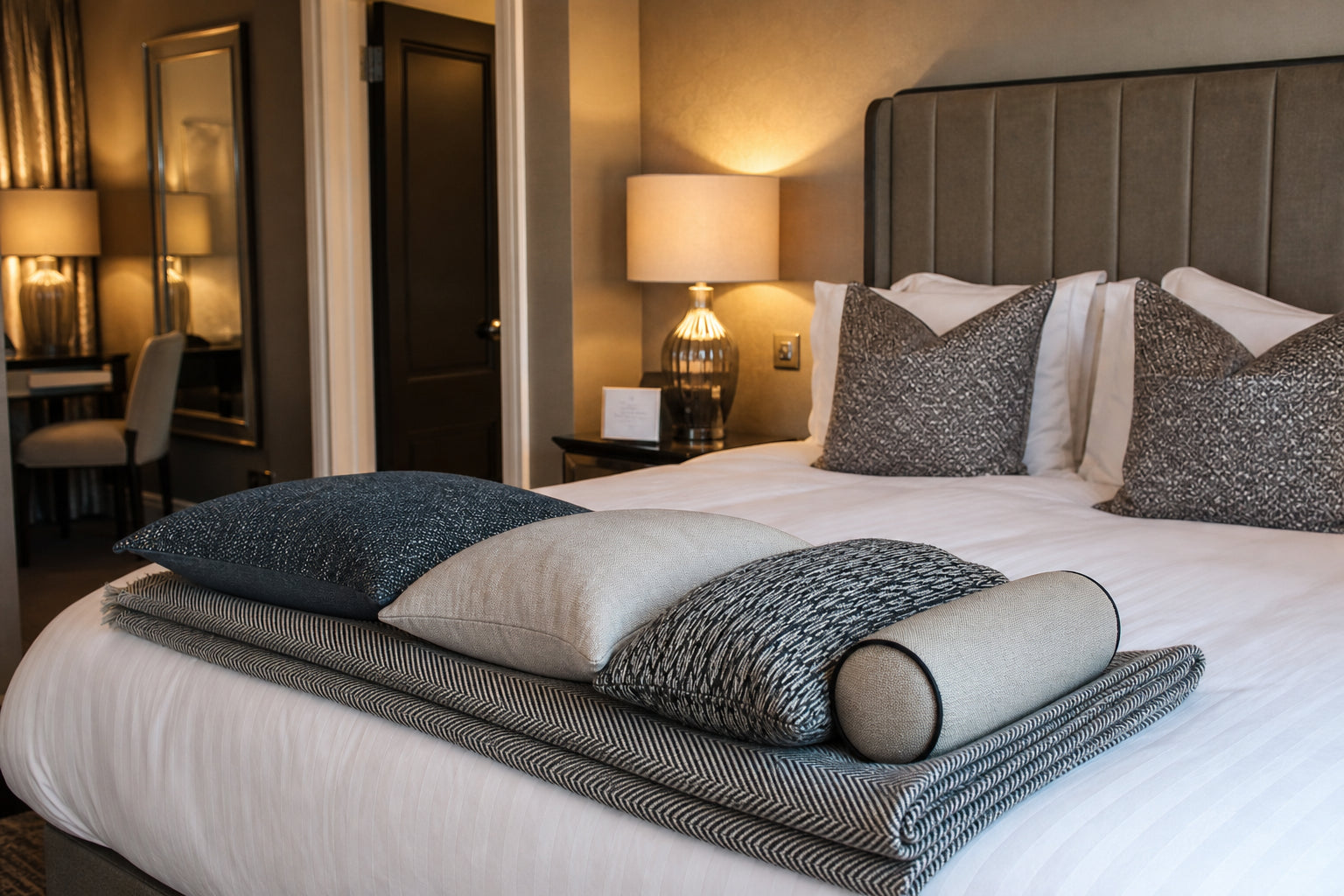
The pillow menu exists to close that gap. Done properly, it is not a gimmick or a printed card that nobody reads; it is a genuine sleep-quality intervention that costs relatively little, differentiates the property, and shows up in exactly the review categories operators care about most. This guide covers why pillow menus work, what a credible menu contains, and the operational detail that separates a menu guests use from one that gathers dust in the compendium.
Why pillows carry so much weight in the sleep experience
Mattresses matter, but they are also broadly forgiving: a good-quality hotel mattress suits most sleepers reasonably well. Pillows are far more personal. Side sleepers need loft and support that back sleepers find uncomfortable; front sleepers often want something much softer and flatter; guests with neck or shoulder issues may have very specific requirements. A single "house pillow," however good, will genuinely suit only a portion of the guests who lie on it.
The consequences of a mismatched pillow are felt immediately and reported readily. A guest who wakes with a stiff neck does not file that under bad luck — they file it under "uncomfortable bed," and it lands in the review as a comment about sleep quality. Because sleep is the core promise of the room, these comments weigh heavily with prospective bookers scanning reviews.
A pillow menu turns this from a lottery into a choice. The guest who selects a firm side-sleeper pillow and sleeps well credits the hotel for it, and the mechanism of choice itself has value: being asked what you prefer is a luxury signal in its own right, in the same family as being greeted by name.
What a credible pillow menu contains
A pillow menu does not need to be long to be effective. Six to eight well-chosen options cover the overwhelming majority of preferences; beyond that, choice becomes noise and storage becomes a problem. A sensible core range includes:
- A soft, low-loft pillow for front sleepers and guests who like to sink in.
- A medium all-rounder — usually the default pillow already on the bed.
- A firm, high-loft pillow for side sleepers and larger-framed guests.
- A hypoallergenic or anti-allergy option with synthetic fill and protective encasing, clearly described for guests with allergies.
- A memory foam or contoured support pillow for guests with neck or back complaints.
- A natural-fill option such as duck or goose down where the property's tier supports it.
Descriptions matter as much as the pillows themselves. "Firm" tells a guest little; "high, firm support recommended for side sleepers" tells them exactly whether it is for them. Write the menu in plain guest language, not supplier language, and state the fill and the firmness for every option so allergy-conscious guests can choose confidently.
Presentation: making sure guests actually find the menu
The most common failure of pillow menus is not the pillows — it is discoverability. A menu buried on page nine of a guest directory will be used by almost no one. Luxury properties that get real value from their menu make it visible through several channels at once:
- A small, elegant card on the bed or bedside table, not hidden in a drawer.
- A mention at check-in, particularly for guests staying more than one night.
- A line in the pre-arrival email, so returning guests and light planners can request their pillow before they even arrive.
- A prompt on the in-room TV or app where the property has one.
Pre-arrival requests are especially valuable operationally. A pillow swapped before check-in is invisible work; a pillow delivered at 11pm is a corridor trip, a knock on the door and an interrupted evening. The more requests you can pull forward, the smoother the operation runs.
The operational side: stock, hygiene and speed
A pillow menu is a service promise, and service promises fail in the back of house, not the brochure. Three operational disciplines keep the promise honest.
Stock and storage. Hold spare pillows in clean, breathable protective bags, ideally in a floor store rather than a single basement cupboard, so delivery is a matter of minutes. Par levels should reflect real demand: firm and hypoallergenic options are typically requested most, so weight the stock accordingly rather than holding equal numbers of everything.
Hygiene. Every menu pillow needs a protector as standard, laundered between guests, and a defined washing or replacement cycle for the pillow itself. A luxury guest who requests a special pillow and receives a tired, yellowed one has had the promise inverted — the menu has made the impression worse, not better. Track age with a simple date tag on each pillow's protector bag.
Speed and follow-through. Set an internal delivery standard — within fifteen minutes of request is achievable for most properties — and make sure the request is logged so housekeeping keeps the chosen pillow on the bed for the remainder of the stay. Nothing undermines the gesture like the guest's selected pillow disappearing at the next service.
The wider sleep environment
Pillows do their best work in a room that supports sleep in every other respect, and guests judge the night as a whole. The same review that praises a pillow menu will punish a humming appliance or a blazing standby light. Luxury operators treat the sleep environment as a system:
- Quiet appliances. The minibar is the classic offender; a silent absorption minibar removes the low-level hum that light sleepers notice at 3am. Specifying quiet-running units from a range such as Roomwell's guest-room collection protects the sleep score the pillow menu is building.
- Darkness. Proper blackout curtains, and a habit of checking for LED standby lights on televisions and chargers during room inspection.
- Temperature control the guest can actually operate, with clear instructions.
- Bedding weight options — a lighter duvet or extra blanket on request extends the menu principle beyond pillows.
Framed this way, the pillow menu becomes the visible flagship of a broader promise: this property is engineered for sleep. That is a claim very few hotels can make credibly, and it is worth far more than the modest cost of a spare pillow inventory.
Measuring whether it works
Because pillow requests are logged, the menu produces its own data. Track three things: how many guests use the menu, which options they choose, and what happens to sleep-related review comments over time. Usage tells you whether your presentation is working; the mix tells you what to stock; and reviews tell you whether the investment is landing where it matters. Properties often find one or two options dominate requests — a signal worth feeding back into the default pillow specification itself.
It is also worth briefing the front desk to mention the menu in response to any comment about sleep at check-out. A guest who slept poorly and is told, gently, that a firmer pillow was available on request may still write the review — but the next stay can be rescued, and repeat luxury guests are the most valuable guests there are.
A small menu with a large return
The pillow menu is that rare amenity that is simultaneously a luxury signal, a genuine comfort intervention and an operational discipline. It costs a modest inventory of pillows, protectors and storage; it returns better sleep, better reviews and a differentiated brand story. For properties positioning themselves at the premium end of the UK market, it is close to essential.
Quick answer: A pillow menu is one of the few amenities that directly improves the thing guests came for: a good night's sleep. Here is how luxury hotels build and run one well.
Benefits
- Sleep quality is the core product of every hotel stay.
- Better bedding reduces night disturbance and complaint volume.
- Pillow choice supports higher-tier differentiation.
- Crisp white presentation photographs and sells well.
Features
- Supportive mattresses and fresh, well-laundered linen.
- Pillow standards or menus matched to brand tier.
- Seasonal duvet weights where climate requires them.
- Housekeeping reset standards that keep beds inspection-ready.
Frequently asked questions
What bedding basics matter at every star level?
A supportive mattress, clean white linen and adequate pillows — before decorative layers.
When is a pillow menu worth it?
At higher tiers or long-stay products where preference choice is part of the promise.
How often should mattresses be reviewed?
On a planned lifecycle with spot checks after complaints about comfort or noise.
Can bedding upgrades lift mid-scale scores?
Yes — sleep is where value-seeking guests still expect excellence.
Roomwell supplies guest-room equipment to hotels across the UK, from silent minibars to the appliances that keep a premium room running quietly and reliably. Browse the range in our Roomwell products collection, or contact our team to talk through the in-room standard behind your sleep promise.