

Room service is the hardest meal in the hotel to serve well. In the restaurant, the kitchen is thirty seconds from the table, the ambience is controlled and a manager can see every plate go out. In-room dining sends the same food on a journey through service lifts and corridors, to be eaten in a room the food and beverage team does not control, at a temperature the journey has been quietly attacking the whole way. That is precisely why it is such a strong differentiator: guests know instinctively how hard it is, and they notice when a property gets it right.
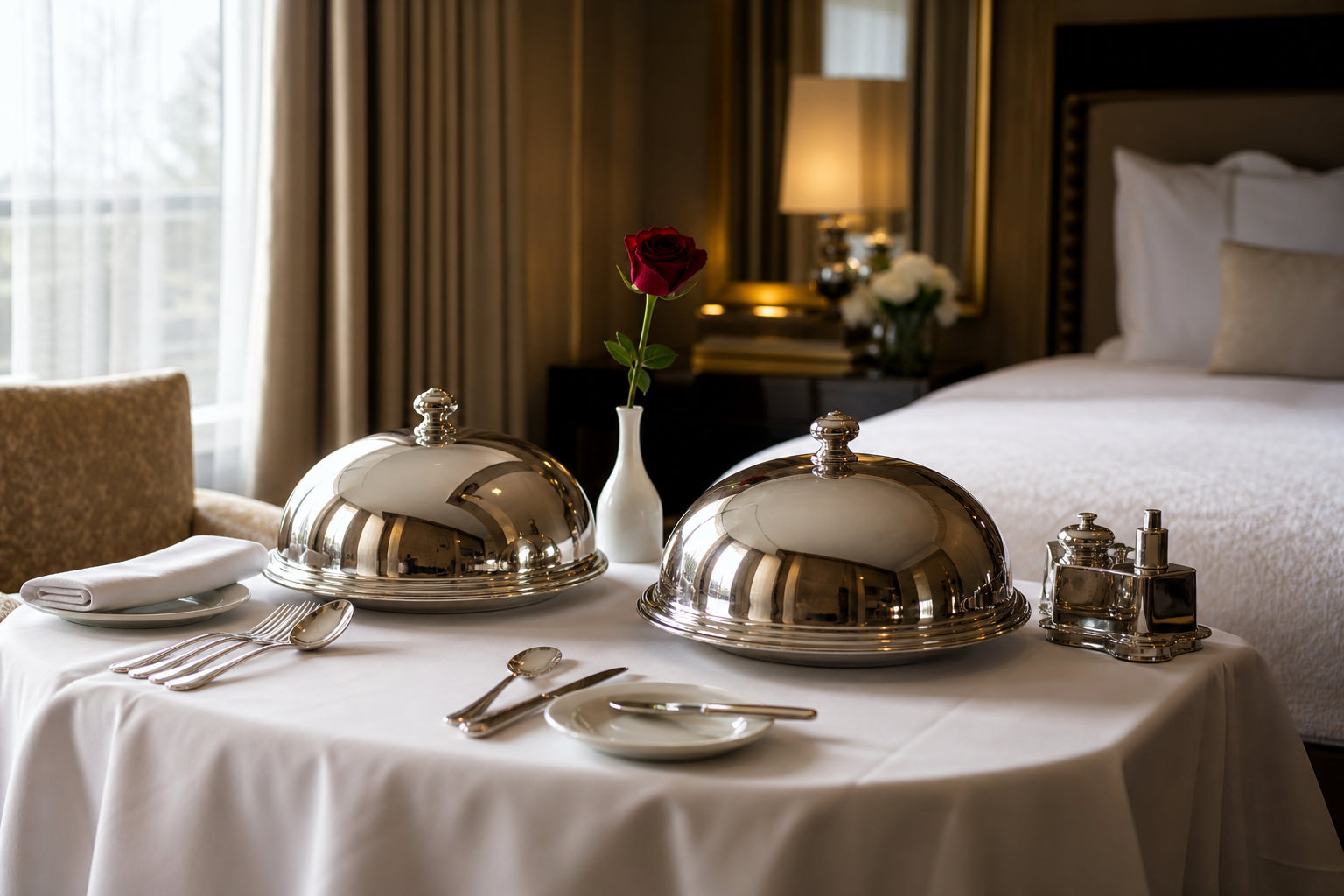
Genuine five-star in-room dining is not about caviar on the menu. It is about a chain of unglamorous standards — order handling, timing, transport, presentation, delivery etiquette and collection — each executed consistently. This guide walks through that chain and the points where it most often breaks.
Taking the order: the standard starts on the phone
The order call is part of the meal. A rushed, transactional call sets up a transactional delivery; a warm, competent one begins the experience before the kitchen has seen the ticket. The elements of a five-star order call are simple and trainable:
- Answer promptly, by name where the system allows: "Good evening, Mr Hartley."
- Know the menu. The person taking the order should be able to describe dishes, flag allergens confidently and suggest a wine or side without transferring the call.
- Repeat the order back in full, including room number, and ask about allergies and dietary requirements as a matter of routine, not only when prompted.
- Give an honest delivery time — and quote a time you can beat, not one you hope to meet.
- Capture the details that make delivery smooth: where the guest would like the meal set up, and any timing constraints such as a call or a departure.
Where guests order through an app or TV system, the same standards apply in interface form: clear descriptions, visible allergen information, honest timings and a confirmation the guest can trust.
Timing: the promise that defines the experience
Nothing in room service matters more than the gap between the promised time and the knock at the door. Guests plan around the promise — a shower, a call, a film — and a late tray disrupts the plan as much as the meal. Well-run operations manage timing with a few firm habits:
- Quoted windows guests can rely on. Breakfast orders placed the night before are the easiest promise in hospitality to keep, and door-hanger or app pre-orders should be treated as production schedules, not suggestions.
- Sequencing in the kitchen so that items finish together and leave immediately. A tray waiting at the pass is losing degrees every minute.
- Protected transport. Cloches, hot boxes and insulated carriers on the trolley are not theatre; they are the only defence the food has between pass and door.
- Proactive communication. If the kitchen is in trouble, a call to the room before the promised time — with a revised time and an apology — converts a failure into evidence of attentiveness.
Presentation: a restaurant table that travels
The trolley or tray is the dining room, compressed. Five-star presentation means it arrives complete: pressed linen, polished cutlery correctly laid, condiments in proper vessels rather than sachets where the tier demands it, salt and pepper filled, glassware spotless, and nothing the guest will have to call down for. The checks are mechanical — which is exactly why they belong on a checklist at the pass, verified before any trolley leaves:
- Every item on the ticket present, plus the things tickets forget: butter, milk, sugar, sauces, extra napkins.
- Hot items under cloches, cold items genuinely cold, and the two kept apart on the trolley.
- Wine and drinks with the right glasses, an opener where needed, and ice that will survive the journey.
- A small finishing touch appropriate to the property — a flower, the day's newspaper at breakfast — that says the tray was assembled with care rather than speed alone.
The delivery: two minutes of pure service skill
Delivery is the only face-to-face moment in the whole transaction, and it happens inside the guest's private space. The etiquette is precise and worth training explicitly. Knock, announce "Room service" clearly, and wait — never use the key except at the guest's explicit invitation and instruction. Greet the guest by name, ask where they would like the meal, and set it up properly: trolley leaves raised, chair positioned, dishes named as cloches are lifted, wine offered and poured if the guest wishes.
Two further points separate adequate from excellent. First, explain the collection arrangement — how to call for the tray to be removed, or when the team will return — so the guest is never left wondering what to do with a finished trolley. Second, leave crisply. The server who lingers for the bill signature and then withdraws with a simple "Enjoy your dinner" respects the fact that the guest has invited the hotel into their room, briefly, and the visit should end on the guest's terms.
The room is part of the service
In-room dining borrows the guest room as its dining room, so the room's own equipment quietly shapes the meal. A property serious about room service makes sure the room holds up its end:
- A clear surface — a table or desk that can actually take a tray, kept free of clutter by housekeeping standard.
- A working hospitality tray with a fast, descaled kettle, so the guest can make a second coffee after the trolley is gone.
- A properly chilled minibar for the wine the guest saves, the milk they asked for, or the chocolate after dinner. A quiet, reliable minibar extends the meal; a warm one cuts it short.
- Sensible bins and space so the aftermath of a meal does not dominate a small room.
These are procurement decisions as much as service ones. Specifying dependable in-room equipment — the kettles, minibars and accessories in Roomwell's guest-room collection — is part of building a room that can host a five-star meal, not just receive one.
Collection: the standard most hotels forget
Ask frequent travellers about room service and the same complaint recurs: the tray in the corridor. A finished trolley left outside a door for hours undoes the entire performance — it is visible to every passing guest, it signals that the operation forgets its promises the moment the bill is signed, and it turns yesterday's luxury into this morning's clutter.
Five-star collection is systematic. Every delivery is logged with an expected collection window; corridors are swept on a schedule and after service peaks; guests are given an effortless way to request collection; and night teams treat corridor trays as a standing task, not an if-time-allows one. It is the least glamorous standard in this guide and one of the most telling — because it is performed when no one is being watched.
Consistency is the luxury
None of these standards is exotic. The five-star difference is that they hold at 6.30am and 11.45pm, on the eighth delivery of a busy evening as on the first, for the standard double as for the suite. Write the standards down, train them, check them at the pass and the corridor, and room service stops being the hotel's most exposed meal and becomes one of its most persuasive.
Quick answer: Room service is the most operationally exposed meal a hotel serves. Here are the standards — timing, presentation, delivery etiquette and follow-through — that make in-room dining genuinely five-star.
Benefits
- Strong in-room dining and service cues lift perceived luxury.
- Clear service hours prevent expectation gaps.
- Well-timed delivery supports VIP and celebration stays.
- Coordination with housekeeping keeps rooms presentation-ready.
Features
- Defined room-service menus and timing windows.
- VIP / butler workflows where the brand promises them.
- In-room readiness checks before food or amenity delivery.
- Feedback loops from complaints into training.
Frequently asked questions
Do all hotels need 24-hour room service?
No. What matters is that advertised hours match reality and delivery quality stays consistent.
What makes VIP room service feel premium?
Timing, personalisation, tray presentation and a room that already looks ready.
How should hotels handle dietary needs?
Capture allergies early and confirm before any food amenity or tray leaves the kitchen.
Where do service failures show in reviews?
Late trays, cold food, missing cutlery and rooms that were not ready for delivery.
Roomwell supplies UK hotels with the in-room equipment that supports a confident food and beverage operation — minibars, kettles and hospitality accessories built for daily hotel use. Browse the range in our Roomwell products collection, or contact our team to talk through your guest-room specification.